
The buyer's guide
What makes a great foodBest Korean BBQ in North York
There's Korean BBQ, and then there's great Korean BBQ. In a city like Toronto, particularly in the bustling Korean enclaves of North York, distinguishing between the simply good and the truly exceptional can save you from a mediocre meal and elevate your dining experience.
What makes a great Korean BBQ
A truly exceptional Korean BBQ joint isn't just about grilling meat; it's a symphony of flavour, technique, and atmosphere.
- Pristine Meat Quality: This is non-negotiable. Look for fresh, well-marbled cuts of beef (galbi, bulgogi, chadolbagi) and pork belly (samgyeopsal). The meat should be visibly high quality, indicative of careful sourcing and proper handling. Frozen, pre-sliced, or low-grade cuts are instant red flags.
- Artful Marinades: A great marinade enhances, not masks, the meat's flavour. Traditional doenjang or gochujang marinades should be balanced – savoury, a little sweet, and never overly salty or sugary. The marinade should tenderize, adding depth without overwhelming the natural taste of the protein.
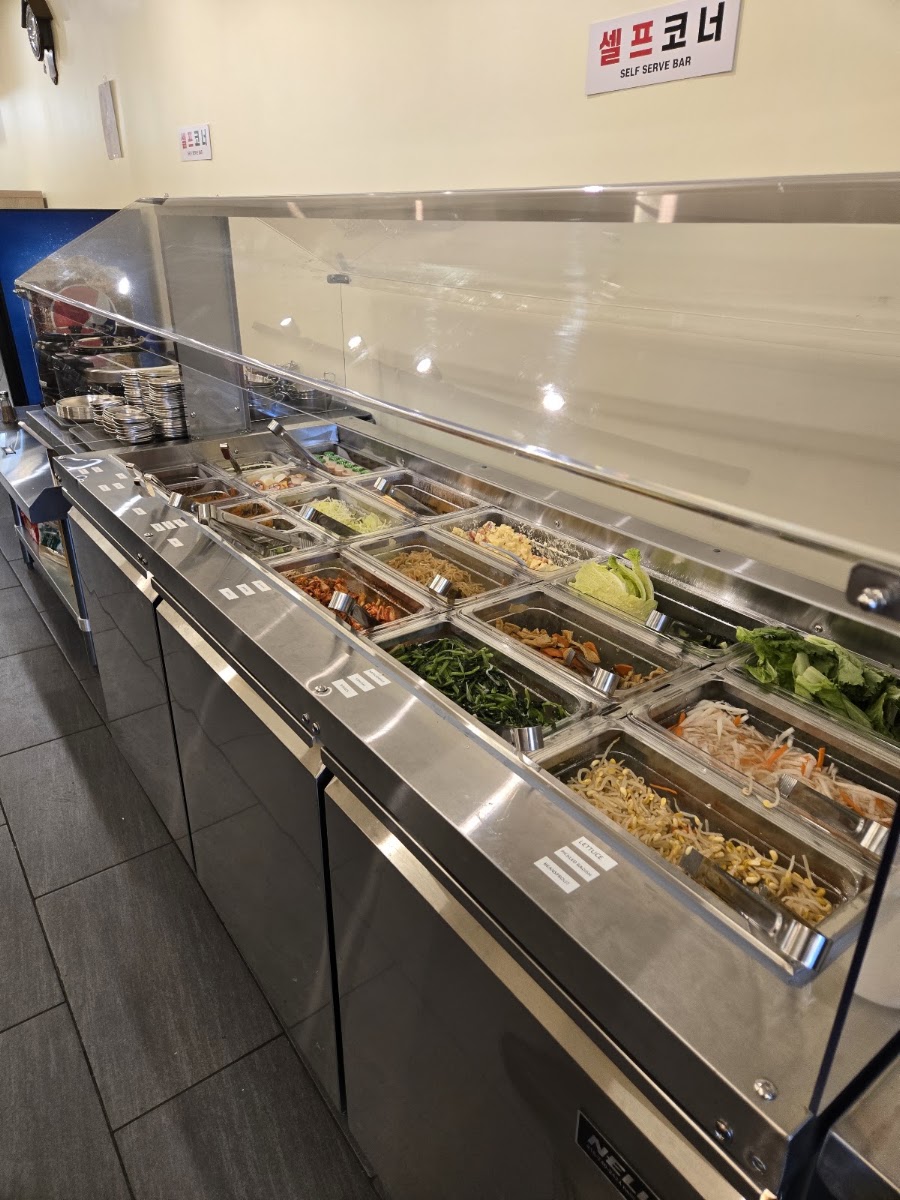
- Abundant and Fresh Banchan: These complimentary side dishes are the heart of Korean dining. Expect a diverse spread (kimchi, pickled radish, seasoned bean sprouts, fish cake, etc.) that are fresh, flavourful, and replenished generously. Sparse or uninspired banchan indicates a lack of attention to detail that often permeates the entire meal.
- Proper Grilling Equipment and Ventilation: High-quality, well-maintained grills (charcoal or gas) are essential. Excellent ventilation is critical; you shouldn't leave smelling like a smokehouse. This shows a commitment to diner comfort and a superior cooking environment.
- Authentic Flavour Profile: The overall taste should reflect genuine Korean culinary traditions. This means robust flavours, a thoughtful balance of sweet, spicy, sour, and umami, and a sense that the dishes are prepared with heritage and expertise.
What to look for
- Meat Selection and Cuts: Does the menu offer a variety of prime cuts beyond just basic samgyeopsal? Inquire about the origin and grade of their beef.
- Banchan Variety and Replenishment Policy: Observe the banchan on other tables. Are they diverse and does the staff actively offer refills?
- Ventilation System: Look for strong overhead or downdraft vents at each table.
- Grill Type: Are they using charcoal grills for an authentic smoky flavour, or gas? Both can be good, but charcoal offers a distinct edge.
- Operating Hours and Peak Times: Some establishments excel during specific times; knowing this can help you avoid rush hour waits or ensure freshness.
- Price Range and Value: KBBQ can range significantly. Check if the pricing aligns with the quality and quantity offered, especially for combo deals.
- Reservations: For popular spots, particularly on weekends, confirm if reservations are recommended or required.
Local context in North York
North York's KBBQ scene is robust, often characterized by a mix of traditional, family-run establishments and modern, trendier spots. Prices typically range from $35-$70 per person for an all-you-can-eat or a substantial à la carte meal, reflecting the area's generally higher dining costs. Locals prioritize quality meat and generous banchan, often willing to pay a premium for an authentic experience over just cheap eats.
Questions to ask
- "What are your most popular cuts of beef/pork, and where do you source them from?"
- "Are your banchan made in-house, and are refills included?"
- "Do you use charcoal or gas grills?"
- "What's your typical wait time on a [day of week] evening?"